
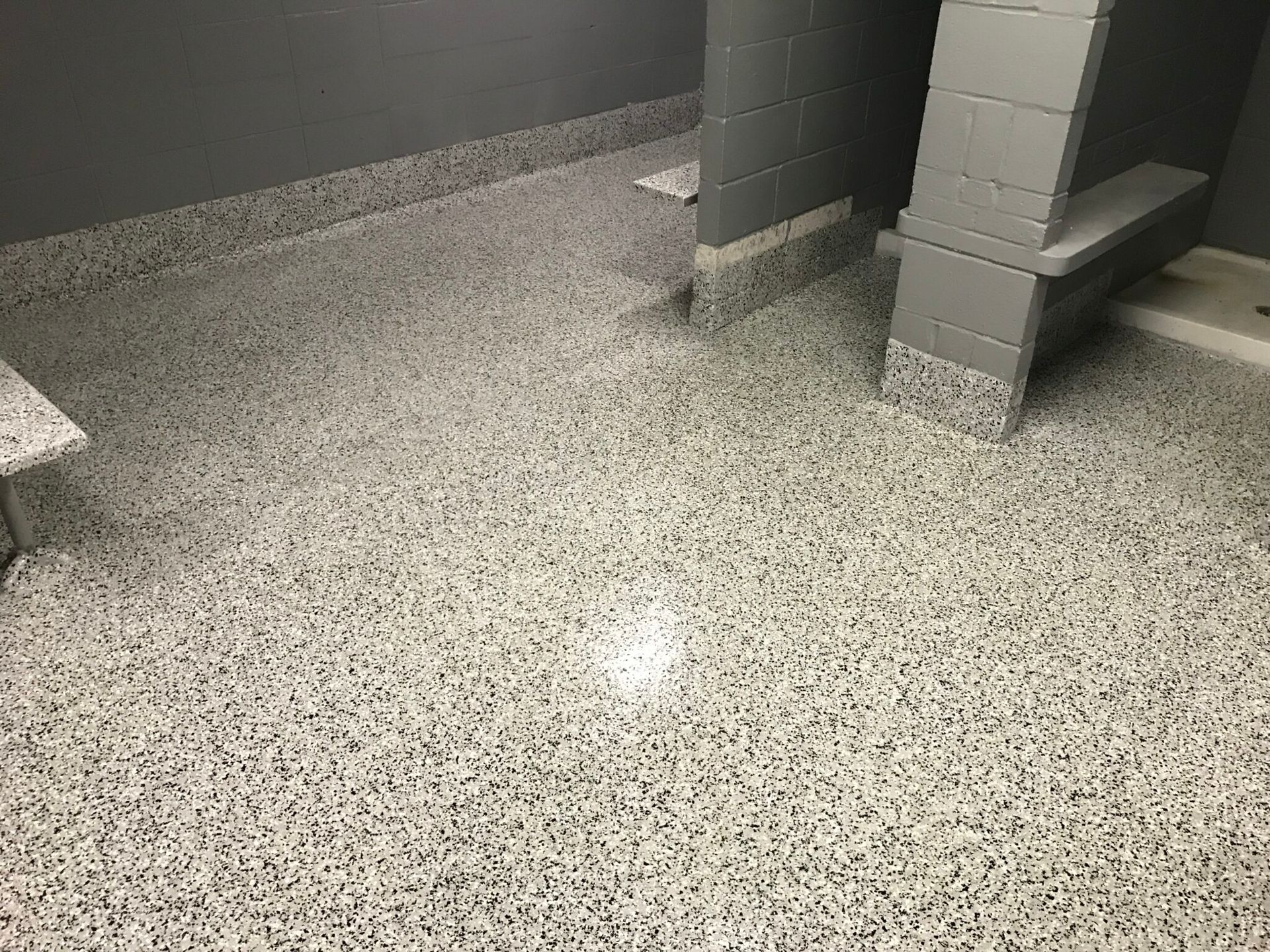
Epoxy-coated garage floors are not just a practical flooring solution—they also add a sleek, polished look to your space. Proper cleaning and maintenance are key to preserving the durability and appearance of epoxy concrete floor coatings. In this guide, we’ll walk you through how to clean epoxy coated garage floors, highlighting the best practices and cleaning products to use. Why Proper Cleaning Matters Epoxy garage floors are durable, resistant to stains, and easy to maintain, but neglecting routine cleaning can lead to a dull surface or damage over time. Whether it’s debris, chemical spills, or stains, consistent care ensures your epoxy garage concrete floor coating stays in excellent condition. Routine Cleaning Tips for Epoxy Floors Regular cleaning prevents dirt, grime, and stains from embedding into your epoxy finish. Here’s how to keep your floors looking their best: Regular Sweeping Use a soft-bristle broom or a dust mop to remove loose dirt and debris from the floor. Regular sweeping helps avoid scratches caused by abrasive particles on the epoxy surface. Microfiber Mop for Daily Cleaning A microfiber mop is ideal for picking up fine dust. It’s gentle on the epoxy coating and ensures no streaks are left behind. Spot Cleaning For small spills or stains, wipe the affected area immediately using a clean cloth and a mild detergent mixed with clean water. Spot cleaning prevents spills from penetrating the concrete floor coating. Deep Cleaning for Epoxy Garage Floors Even with regular maintenance, your garage concrete floor coating will need periodic deep cleaning to remove stubborn stains and grime. Follow these steps: Prepare Your Cleaning Solution Use a pH-neutral cleaner or a citrus cleaner specifically formulated for epoxy flooring. Avoid using harsh chemicals or abrasive cleaners as they can damage the epoxy finish. Mop the Entire Floor Apply the cleaning solution using a soft mop or microfiber mop. Be sure to cover the entire floor to achieve an even, streak-free clean. Rinse Thoroughly After mopping, rinse the epoxy garage floor with clean water to remove any residue. Excess cleaner left on the epoxy resin surface can create a hazy finish. Dry with Care Dry the floor with a clean towel or let it air-dry. This prevents water spots from forming on the polished concrete look of the floor. Tackling Stubborn Stains For tougher stains or chemical spills, take these steps to ensure proper cleaning without damaging your garage flooring: Oil and Grease Stains Use a degreaser that’s safe for epoxy coatings. Let it sit for a few minutes before wiping it off with a soft cloth. Rust Stains Mix a mild acid solution (such as vinegar and water) and apply it to the stain. Be cautious not to leave the solution on the epoxy surface for too long. Chemical Spills Wipe up chemical spills immediately to prevent damage. Use a ph-neutral cleaner to neutralize any residue. Avoid These Common Mistakes To extend the life of your epoxy garage floor, steer clear of these cleaning pitfalls: Using abrasive cleaners that can scratch the epoxy concrete floor coating. Allowing debris to accumulate, which can wear down the concrete floor coating. Applying harsh chemicals, such as bleach or ammonia, which can dull the epoxy finish. Skipping regular maintenance, which can lead to deeper stains and a compromised epoxy coating. Benefits of Maintaining Your Epoxy Floors A clean epoxy-coated garage floor enhances the durability, aesthetics, and functionality of your garage. With routine cleaning and the right cleaning solution, your epoxy flooring will continue to resist stains, scratches, and wear. Conclusion Proper cleaning of your epoxy coated garage floor doesn’t require much effort but goes a long way in maintaining its sleek appearance and durability. By following the steps above, you can ensure your garage concrete floor coating stays spotless and damage-free for years to come. Remember, regular sweeping, the right cleaning products, and avoiding harsh chemicals are key to keeping your epoxy garage floor in top shape. For more tips on maintaining your garage flooring or selecting the best cleaning products for your epoxy coatings, feel free to reach out. Happy cleaning!
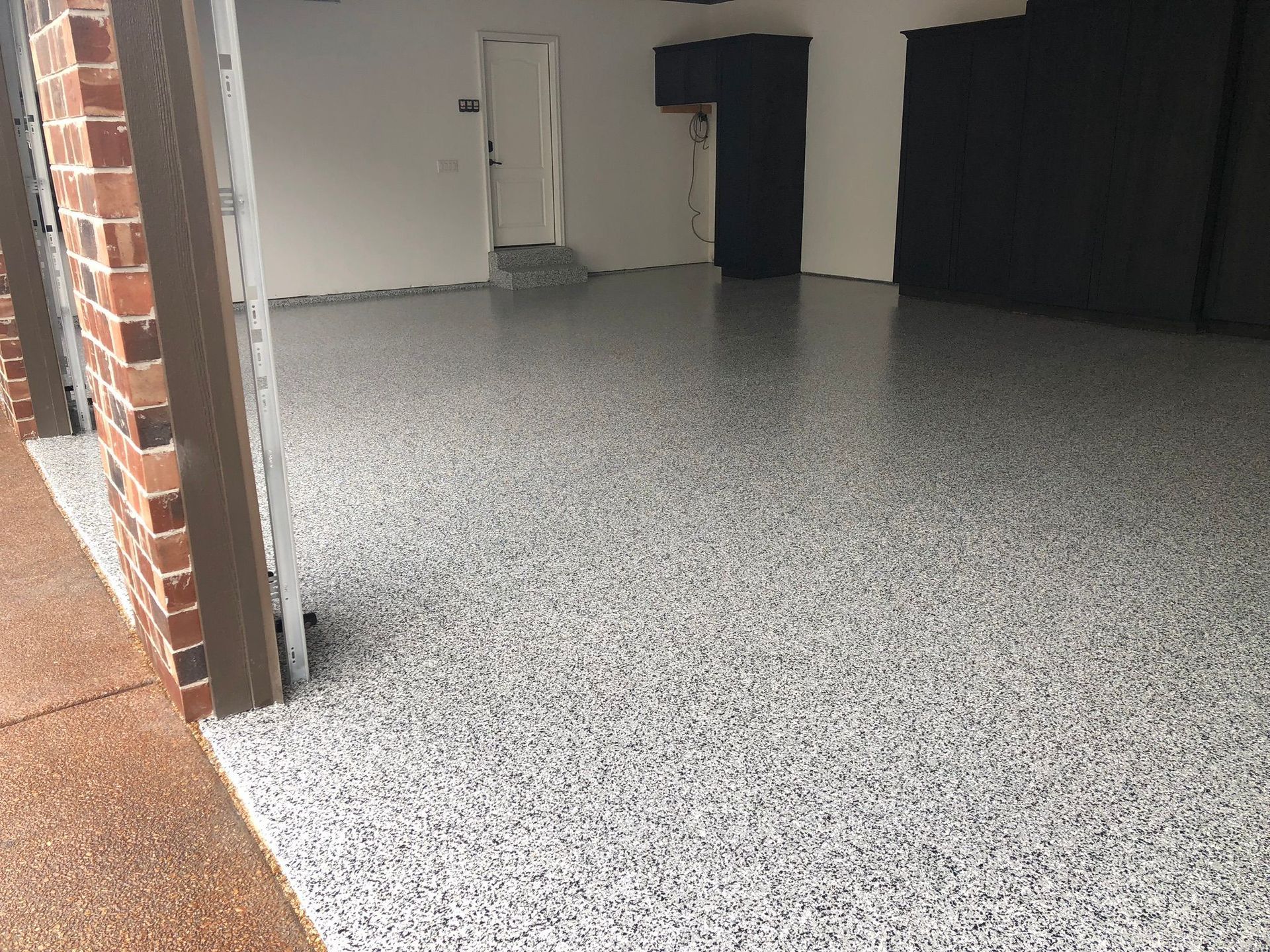
Concrete floors are durable and versatile, but adding the right paint can elevate their appearance and protect the surface. Choosing the best paint for concrete floor coating depends on factors like location, usage, and desired finish. Whether you’re painting a garage floor, patio, or basement, this guide covers everything you need to know about concrete paint, from types to application tips. Types of Paint for Concrete Floors 1. Epoxy Paint One of the most durable options, epoxy coating paint is ideal for high-traffic areas like garage floors. It provides a strong concrete floor coating resistant to chemicals, stains, and abrasions. Best for: Garages, workshops, and indoor spaces. Pros: Long-lasting, glossy finish, and superior durability. Cons: Requires precise application and curing time. 2. Acrylic Paint For a budget-friendly and easy-to-apply option, acrylic paint is great for outdoor concrete or areas with moderate wear. Best for: Patios, walkways, and concrete walls. Pros: Quick-drying and available in various colors. Cons: Less durable compared to epoxy. 3. Latex Paint Similar to acrylic, latex paint is water-based and works well for light-traffic areas. It’s a good option for vertical surfaces like concrete walls. Best for: Decorative finishes and light-use floors. Pros: Easy cleanup and eco-friendly. Cons: Not ideal for heavy-duty surfaces. 4. Polyaspartic and Polyurea Coatings These advanced coatings are highly durable and fast-drying, making them excellent for concrete garage floors and high-performance environments. Best for: Industrial spaces and premium residential projects. Pros: High durability, UV resistance, and seamless finish. Cons: Higher cost compared to other paints. Factors to Consider When Choosing Concrete Floor Paint 1. Surface Type and Condition Bare Concrete: Ensure it’s clean and free of dust, grease, and oil. Existing Paint: Remove old paint using a paint stripper for better adhesion. Cracks and Imperfections: Fill gaps with concrete filler before painting. 2. Location Indoor Floors: Opt for epoxy floor paint or acrylic latex paint. Outdoor Concrete: Look for UV-resistant paints like polyaspartic coating or specialized patio floor paint. 3. Durability Requirements For heavy-duty areas like garages, epoxy coating or polyurea coating is ideal. For light-traffic areas, masonry paint or latex paint may suffice. Preparation: Key to a Long-Lasting Paint Job Clean the Surface Use a broom or vacuum to remove debris, followed by a degreaser to eliminate grease and stains. Ensure the concrete surface is dry before painting. Repair Imperfections Use a concrete filler to patch cracks and holes. Smooth the surface with sandpaper for a seamless finish. Apply a Concrete Sealer A concrete sealer helps the paint adhere better and prevents moisture penetration. Test for Adhesion Perform a small test patch to ensure the paint adheres to the bare concrete or existing paint. How to Paint a Concrete Floor 1. Gather Your Materials Best paint for concrete floors (e.g., Benjamin Moore Floor Paint or epoxy-based options) Primer (if required) Paint rollers and brushes Painter’s tape Paint stripper (for removing old paint) 2. Apply Primer For porous surfaces, apply a concrete primer to ensure better adhesion of the concrete floor paint. 3. Paint the Surface Use a roller for large areas and a brush for edges. Apply thin, even coats to avoid pooling. Let each coat dry completely before applying the next. 4. Seal the Painted Floor Finish with a concrete sealer to enhance durability and protect the painted surface. Best Brands for Concrete Paint Here are some top-rated options for painted concrete floors: Benjamin Moore Floor Paint : Known for durability and a wide range of colors. Rust-Oleum Epoxy Shield : Perfect for epoxy garage floors. Behr Concrete and Garage Floor Paint : Great for DIY enthusiasts. Painting Tips for a Professional Finish Avoid painting in high humidity or extreme temperatures. Use painter’s tape to create clean edges and protect surrounding areas. For a decorative look, consider using concrete stains or a two-tone effect with acrylic paint. Choosing the best paint for concrete floors depends on the type of surface, location, and durability needs. From epoxy floor paint for garages to acrylic latex paint for patios, the right paint can transform your space while protecting the concrete flooring beneath. By following these painting tips and selecting quality concrete paint, you’ll achieve a durable and aesthetically pleasing finish for your next project. Whether you’re working with bare concrete or refreshing an existing paint job, preparation and the right products are the keys to success.
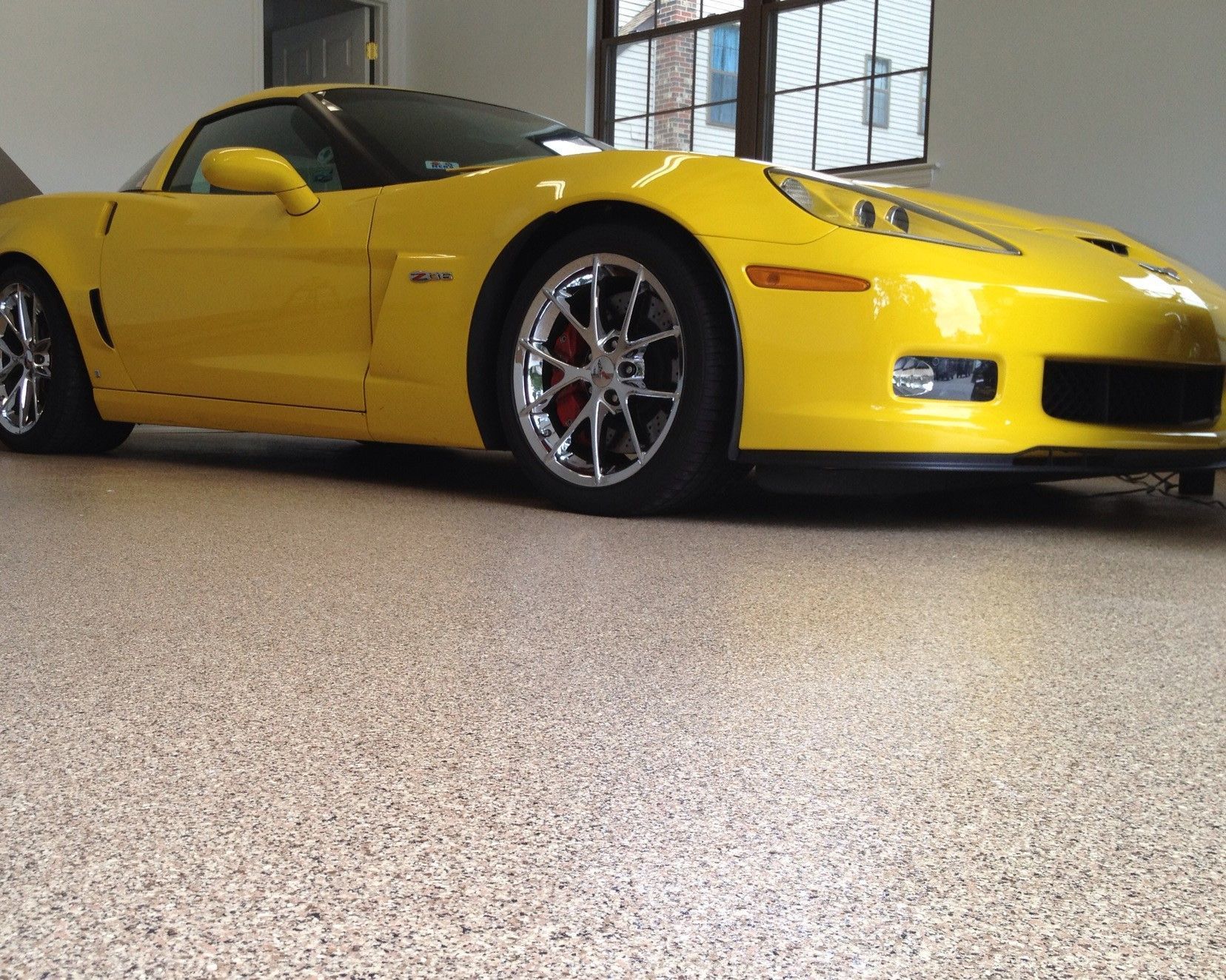
If you’re considering a new concrete floor coating for your residential garage or commercial space, you’ve likely come across two main options: epoxy and polyurethane coatings. Both are popular for their durability, resistance to damage, and polished look. However, understanding the differences between epoxy resin, epoxy coating , polyurethane coating, and even polyaspartic coatings can help you make the best choice for your flooring needs. In this article, we will break down the benefits and drawbacks of both epoxy and polyurethane to help you make an informed decision. Whether you’re upgrading a garage concrete floor coating or looking to improve your commercial facility’s floor, you’ll find the right solution here. What Is Epoxy Concrete Floor Coating? Epoxy is a type of epoxy resin that, when mixed with a hardener, forms a durable coating that adheres well to concrete surfaces. It’s a popular choice for both residential and commercial settings because of its strength, durability, and appealing finish. Epoxy coatings are known for their ability to withstand heavy use and create a seamless, protective layer over concrete. Advantages of Epoxy Coating: Durability & Hardness: Epoxy coatings are highly durable, providing excellent resistance to impact, scratches, and heavy traffic. This makes them perfect for high-traffic areas like garages, warehouses, and factories. Chemical Resistance: Epoxy coatings are resistant to chemicals, oils, and solvents, making them suitable for environments where spills and leaks are common. Versatile Finishes: From high-gloss to matte and even metallic effects, epoxy concrete floor coatings can be customized to match any space. They can also include decorative chips for a non-slip texture. Cost-Effective: Epoxy resin is generally a budget-friendly solution that lasts for many years, making it an affordable option for many homeowners and businesses. Drawbacks of Epoxy Coating: Rigid & Brittle: Epoxy can be quite rigid once it cures, which means it may crack or chip if the underlying concrete shifts, expands, or contracts. UV Sensitivity: Prolonged exposure to sunlight can cause epoxy to yellow or fade over time, making it less suitable for outdoor use. Longer Cure Time: Epoxy coatings require a longer curing time, which means your garage or commercial space may be out of use for several days after application. What Is Polyurethane Concrete Floor Coating? Polyurethane is another strong and resilient coating, but unlike epoxy, it has a flexible and elastic nature. This flexibility makes it less prone to cracking under movement or impact. Polyurethane coatings are also resistant to UV rays and can withstand a wide range of temperatures, making them an ideal option for both indoor and outdoor applications. Advantages of Polyurethane Coating: High Flexibility & Impact Resistance: Polyurethane coatings are more flexible than epoxy, allowing them to handle impact and substrate movement better. This makes them less prone to chipping or cracking. UV-Resistant & Weather-Resistant: Polyurethane is highly resistant to UV rays, preventing yellowing and discoloration over time. This makes it ideal for outdoor areas like driveways, patios, and garage floors exposed to natural light. Abrasion & Chemical Resistance: Polyurethane coatings provide a high level of resistance to abrasion and chemicals, including acids and solvents, making them perfect for high-traffic commercial spaces. Quick Cure Time: Compared to epoxy, polyurethane coatings cure more quickly, allowing your floor to be ready for use sooner. Drawbacks of Polyurethane Coating: Higher Cost: Polyurethane coatings generally cost more than epoxy due to their advanced properties, including UV and temperature resistance. Thinner Coating Application: Polyurethane is applied in thinner layers than epoxy. While this adds flexibility, achieving the desired thickness may require more coats. Sensitive to Moisture During Application: Polyurethane coatings can be sensitive to moisture during the application and curing process, which may require a more experienced installer. How Do Epoxy and Polyurethane Compare? Here’s a breakdown of how epoxy and polyurethane coatings compare across key features:

A garage is more than just a place to park your car; it’s a versatile space that can serve as a workshop, storage area, or home gym. Once you’ve applied a protective garage concrete floor coating from Dynamic Protective Coatings, it’s the perfect opportunity to explore garage organization ideas that make the most of your space. By optimizing storage and layout, you can transform your garage into a clean, efficient, and stylish space. Below are some of the best garage organization tips to help you maintain your newly coated floor while keeping everything organized. 1. Start With a Declutter One of the first steps to garage organization is clearing out items you no longer need. Set aside time to go through the contents of your garage, sorting items into categories: keep, donate, sell, and throw away. After this purge, you’ll have a clearer idea of how to organize the remaining items and maximize your garage space. Pro Tip: Utilize clear storage containers to easily see what’s inside. Label each container for easy access when needed. 2. Utilize Vertical Garage Storage Making the most of your garage space often means looking up! Installing shelves and wall-mounted storage units is a great way to get items off the floor and keep your new garage concrete floor coating visible and easy to clean. Pegboards, hooks, and slat walls can hold tools, sports equipment, and garden supplies, freeing up garage space for larger items or activities. Pro Tip: Keep frequently used tools and items at eye level, and store less-used items higher up to keep your garage well-organized. 3. Garage Cabinets for a Sleek Look Garage cabinets are one of the best garage storage solutions for keeping your space tidy and organized. Cabinets not only hide clutter but also provide a safe place to store hazardous materials out of reach of children or pets. Choose durable, moisture-resistant garage cabinets to ensure longevity, and position them strategically around your garage door area for easy access. Pro Tip: Consider adding lockable cabinets to securely store valuable tools or equipment. 4. Incorporate Overhead Storage Solutions Overhead garage storage is a game-changer for items you don’t need to access regularly, like holiday decorations or seasonal sports gear. By installing overhead racks or shelves, you can utilize the unused ceiling space, giving your garage a more organized appearance and keeping the floor free for easy maintenance of your concrete floor coating. Pro Tip: Store lightweight items on overhead shelves and make sure to secure them properly to avoid any accidents when retrieving items. 5. Create a Workstation Area With a Workbench A workbench or workstation area can be an essential part of a well-organized garage. A sturdy workbench with built-in storage drawers or shelves is perfect for organizing tools, materials, and projects. The coated garage floor makes sweeping up sawdust, debris, or spills easy, allowing you to focus on your work without worrying about damaging the floor. Pro Tip: Add a pegboard behind the workbench to hang tools and keep your workstation clutter-free. 6. Organize with Storage Containers and Bins For smaller items like nuts, bolts, sports accessories, or crafting supplies, using labeled storage containers can make a world of difference. Clear plastic bins are particularly helpful, as they allow you to see what’s inside. Stackable containers save garage space, and well-labeled bins help you find what you need quickly. Pro Tip: Color-code your bins for specific categories, such as tools, sports gear, and seasonal items, to make finding things even easier. 7. Add Open Shelving for Quick Access Open shelving is a popular garage organization idea for items you need frequent access to, such as cleaning supplies, paint cans, or lawn care tools. Shelving units are also easy to install and give you flexibility as your storage needs change. Plus, keeping items on shelves helps maintain the clean, sleek look of your newly coated garage floor. Pro Tip: Install adjustable shelves to accommodate items of varying sizes, and position shelves around the garage door for convenient access. 8. Optimize Garage Space With a Rolling Storage Cart Rolling storage carts can be a versatile addition to your garage organization. These movable carts allow you to bring tools or supplies to wherever you need them in the garage. Plus, they can be easily rolled away into a corner or under a shelf when not in use, keeping your garage floor open and tidy. Pro Tip: Choose a cart with multiple shelves or compartments to maximize your garage storage options. 9. Use Wall-Mounted Racks for Large Items If you store larger items like bicycles, ladders, or kayaks in your garage, wall-mounted racks are the way to go. By securing these items vertically, you free up garage space and keep your floor clear, which is essential for maintaining the shine and durability of your protective concrete floor coating. Pro Tip: For added convenience, install fold-away racks that can be flattened against the wall when not in use. 10. Add Mats or Runners for High-Traffic Areas While your garage concrete floor coating from Dynamic Protective Coatings is designed for durability, adding mats or runners can help protect high-traffic areas. Use rubber or non-slip mats near the garage door entrance, workbench, or any other place where spills or wear are more likely to occur. This will preserve the quality and look of your concrete floor coating. Pro Tip: Select mats that complement the look of your garage and are easy to clean. Ready to Transform Your Garage Space? An organized garage makes all the difference in how you use and enjoy this versatile space. Whether you’re ready to implement some of these garage organization ideas or you’re starting from scratch, remember that a protective concrete floor coating sets the foundation for a clean, polished, and long-lasting garage space. If you’re looking for a durable concrete floor coating that enhances the look of your space while providing maximum protection, Dynamic Protective Coatings has you covered. Contact Dynamic Protective Coatings today to learn more about our premium garage concrete floor coatings and schedule a free consultation. Contact us to get started on your garage transformation! By following these garage organization tips and utilizing the best storage solutions, you’ll create a garage that’s not just practical but also stylish and easy to maintain. A well-organized garage with a beautifully coated floor will make you proud to open your garage door every day!





